Event-first fan guide

Home / Events guide

Don't Sleep With The Fishes Events Guide

The best way to handle events in Don't Sleep With The Fishes is to prepare for pressure categories rather than memorize a rigid day script. Scavenging and events are randomized, so this guide gives you a searchable event matrix, a night-before stop check, and a test log for claims that still need a current-build replay.

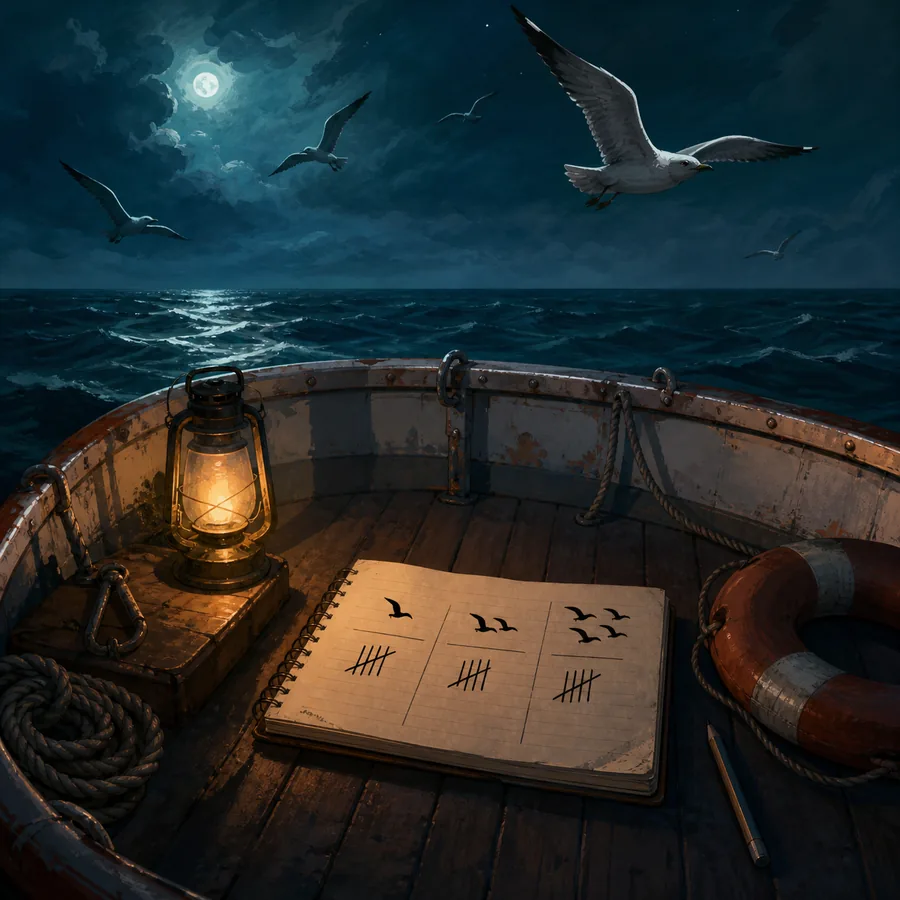
Editorial concept illustration of a lifeboat logbook used to track night events, with a lantern, anchor, and open ocean; not an official screenshot.
Editorial concept illustration for event tracking; not official game art or a gameplay screenshot.

Quick answer

Quick answer: how should you handle events?

Treat every event as a question about a failure category: hunger, health, boat damage, darkness, a creature, rescue, or a route clue. Before you sleep, keep at least one broad response and enough food or repair margin to survive a failed experiment.

The official game context recorded on this site confirms randomized scavenging and events, three possible shipmates, and a lifeboat with room for one extra person. That is why a fixed day-by-day event list would overpromise. Use the survival walkthrough for chronology and use this page when the prompt or result is unclear.

A successful response is not automatically a proven rule. Write down the event label, day, companion, health, hunger, boat state, item condition, and visible result. Repeat the same setup before promoting a community note to practical advice.

Event matrix

Event-first inventory matrix

The table is a coverage map, not an official tier list. The response category tells you what to protect; it does not promise that one named item works in every build or event.

Pressure or clueRecord before actingBroad response categoryResource riskEvidence status
Bad wind, darkness, or a rough nightPrompt wording, light, boat condition, energyLight, utility, repair, or a flexible night toolA one-use tool may be consumed or breakStrategy framework; retest the exact counter
Creature or small-monster threatThreat name, companion, health, item stateDefensive or broad event coverageA plausible-looking item can failDo not infer a universal answer from one run
Giant Squid pressureAnchor, Heart of the Sea route, boat stateAnchor or the documented route alternativeRoute items can divert a survival runCommunity item lead; verify in your build
Sickness or health collapsePlayer health, companion health, food, MedkitHealth recovery and immediate survivalSaving a tool can cost the runExisting item guide boundary
Rescue signal or late route clueSignal item, food reserve, prior choicesPreserve signal tools and a stable routeSpending the only signal earlyExisting walkthrough/endings guidance
Heart Pieces, Row, or The One cluePiece number, event label, companion, versionRoute-specific item or dialogue testChasing a secret can starve the boatCommunity lead, not official patch proof

Events guide

Why the opening search decides later events

The first timer rewards coverage instead of a complete room-by-room sweep. Leave the ship with food, a way to fish, a repair or utility option, and at least one answer for night pressure. If a curiosity displaces your only food or practical tool, it has probably made the later event problem worse.

Use the first inventory screen as a diagnosis. Mark five jobs: feed people, keep food renewable, protect the boat, answer a night event, and preserve one route experiment. A duplicate narrow item is often less useful than an ordinary object that fills an empty job.

When a new run fails, do not immediately rebuild everything. Compare the opening loadout with the previous attempt and change one category. This makes event evidence readable and keeps the items guide page as the detailed reference for named item claims.

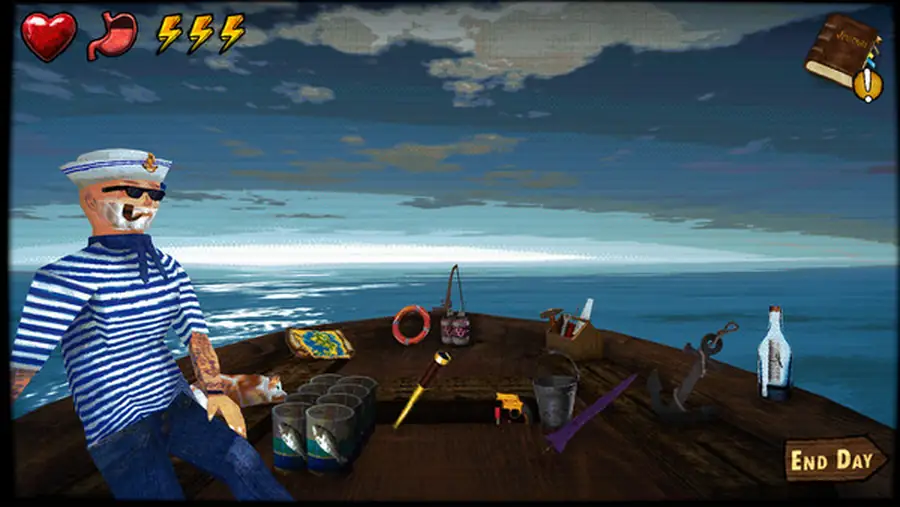
Official gameplay screenshot of the timed opening search, with supplies spread across the lifeboat.
Existing gameplay screenshot: the opening search is timed, so item coverage matters more than collecting every object.

Test method

A seven-step event test method

Use this method for bad wind, small monsters, Fedrick questions, Row clues, and any answer copied from a community page. It is slower than guessing, but it prevents a random result from becoming a false guide rule.

  1. Copy the exact event prompt or write the closest visible wording; do not rename it from memory.
  2. Record day, game version if known, companion, player health, companion health, hunger, boat state, and energy.
  3. List every plausible response category before choosing: light, repair, health, defense, signal, item, dialogue, or wait.
  4. Use one uncertain item or one uncertain dialogue choice; keep the rest of the run stable.
  5. Record whether the item was consumed, broken, rejected, transformed, or left unchanged.
  6. Repeat the same condition once or more. A single success is a lead; repeated results are stronger evidence.
  7. Move confirmed practical notes into your route notebook and keep guesses labeled as hypotheses.

Event matrix

Night events: protect the next morning

Before pressing the end-day control, ask what can end the run tonight and which response you can afford to lose. Read the prompt literally. Match the threat category instead of selecting the rarest object just because it looks important.

For a bad wind or creature prompt, record the rejected and accepted possibilities separately. The visible outcome may be damage, a state change, a lost item, or a delayed consequence. That distinction matters more than a confident sentence saying that one item is always correct.

If you are testing a route item, keep food, basic repair, and one flexible response intact first. The endings guide page is the right place for route-family and true-ending research; this page owns the event decision and evidence loop.

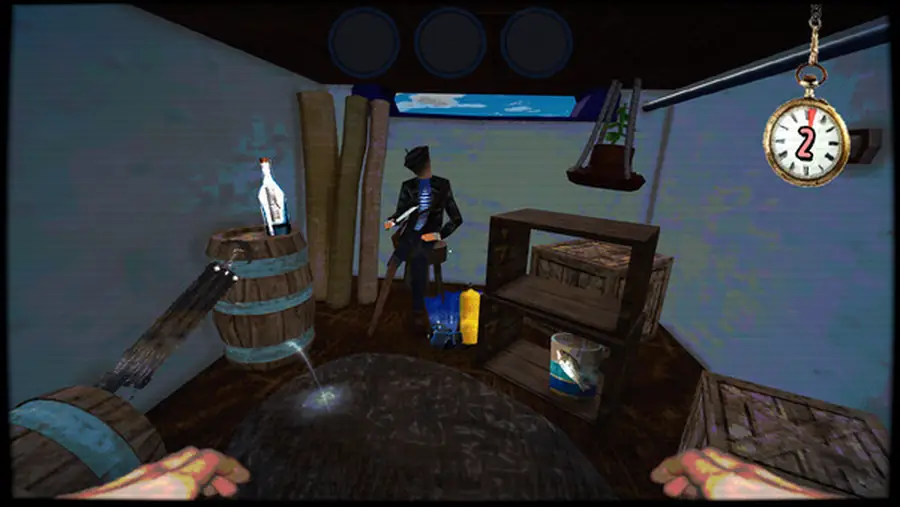
Existing gameplay screenshot of the boat interior during the daily survival loop, where event preparation meets energy and resource limits.
Existing gameplay screenshot: event preparation only works when the daily loop still leaves food, energy, and boat coverage.

Events guide

Specific questions without fake certainty

What should I use when bad wind appears?

Start by classifying the prompt and checking light, utility, boat condition, and broad night coverage. The repository does not prove one universal bad-wind counter, so record the exact item and repeat the setup instead of treating a single community answer as official.

How do I survive the small monsters?

Treat the phrase as a threat clue, not a guaranteed item name. Keep health, food, and a defensive or flexible event option available; then note the threat wording, companion, and outcome. If the result changes, the hidden state may matter.

What can Fedrick help with, and what does Row do?

These are useful character questions but the current evidence boundary is narrow. Link the observation to the wiki hub, keep character and event variables separate, and record repeatable help or dialogue before building a new character page. The broad question data supports FAQ coverage, not a standalone route claim.

How do Heart Pieces connect to events?

The existing items guide page records a community path: Piece 1 with the Red event, Piece 2 in a Chest, and Piece 3 through Fishing or rare Row dialogue. Treat this as a versioned community lead and test the event, companion, and item state before calling it a guaranteed recipe.

FAQ

FAQ: Don't Sleep With The Fishes events

Are event days fixed?

No fixed day-by-day event order is claimed here. The official game context recorded on the site describes randomized scavenging and events, so use phase objectives and a test log instead of a rigid calendar.

Is there one best night-event item?

No universal best item is established by the sources used here. Favor broad coverage, protect food and repairs, and verify a named counter in the current build.

How do I get rescued?

Keep a plausible signal option, food, and boat condition intact while you learn the event loop. For route-family and ending conditions, continue with the survival walkthrough and endings guide pages rather than treating one event as the whole rescue recipe.

Should I chase the three Heart Pieces on a first run?

Usually not before basic survival is stable. The community path is interesting but route-specific; use the items guide guide and a separate controlled attempt so hunger or boat damage does not hide the result.

Does befriending the seagull do anything?

The query belongs to the existing seagull guide guide. Keep that event separate from general night-event testing and treat community effects as observations that need reproduction.

Where should I record event results?

Use one line per attempt: prompt, day, version, companion, inventory, chosen response, item state after, and visible outcome. Add a confidence label so a lead does not silently become a fact.

Sources and evidence boundary

Sources and evidence boundary

This page separates official game context from community research. The direct external recheck was unavailable in this run; dates below are the last successful repository checks, not a claim that the pages are current today.

  • Steam official game page - Official Windows store context, randomized events, and three possible shipmates; existing site verification dated August 8, 2026.
  • Developer itch.io page - First-party project/download context; existing site verification dated August 8, 2026.
  • Unofficial Events and Items wiki - Community leads for event and item mechanics, checked in the existing site record on July 29, 2026; not official documentation.

Summary: prepare coverage, then test one variable

Summary: prepare coverage, then test one variable

The practical answer to Don't Sleep With The Fishes events is not a secret calendar. Build broad coverage, stop before sleep long enough to identify the next failure category, and record uncertain responses with the state that produced them. Use this page for event decisions, the items guide for named item notes, the walkthrough for chronology, and the endings guide for route outcomes. That division keeps a random game readable without turning one lucky run into a promise.